The primary contact between the formwork and the concrete during the pouring process occurs through the film faced plywood. It affects both the quality of the finish and the overall construction costs. Our experience shows that the same plywood can serve differently on various projects—from 3–4 cycles to a year or more. It all depends on a number of factors, including operating conditions, worker skill, transportation and storage specifics, and others.
In this article, we’ll discuss two types of film faced plywood—for flooring and for panels—and examine its actual service life and how to maintain it to extend its lifespan.
How many cycles can film faced plywood withstand: key factors affecting durability
Manufacturers often cite approximate figures—10, 20, or even 50 cycles. These are laboratory data, or “tabber tests,” which do not reflect actual conditions on a construction site. In reality, it all depends on the type of plywood, the manufacturer, and the operating conditions.
The actual plywood lifespan often differs significantly from what is stated in the manufacturer’s specifications. So what are the real figures?
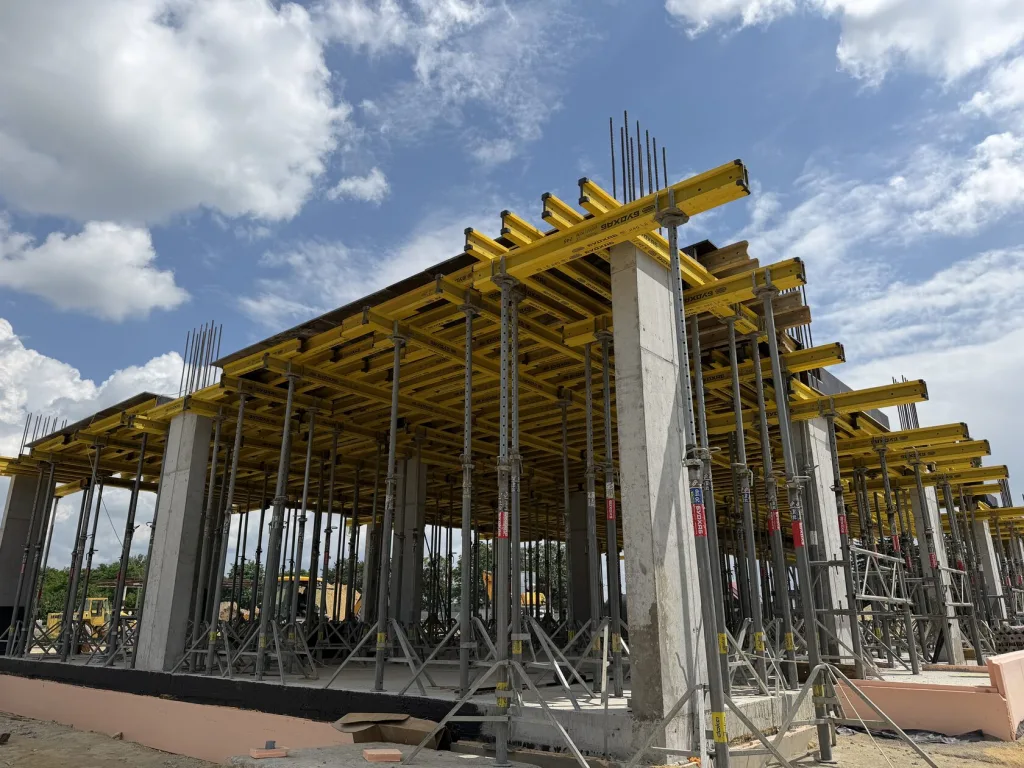
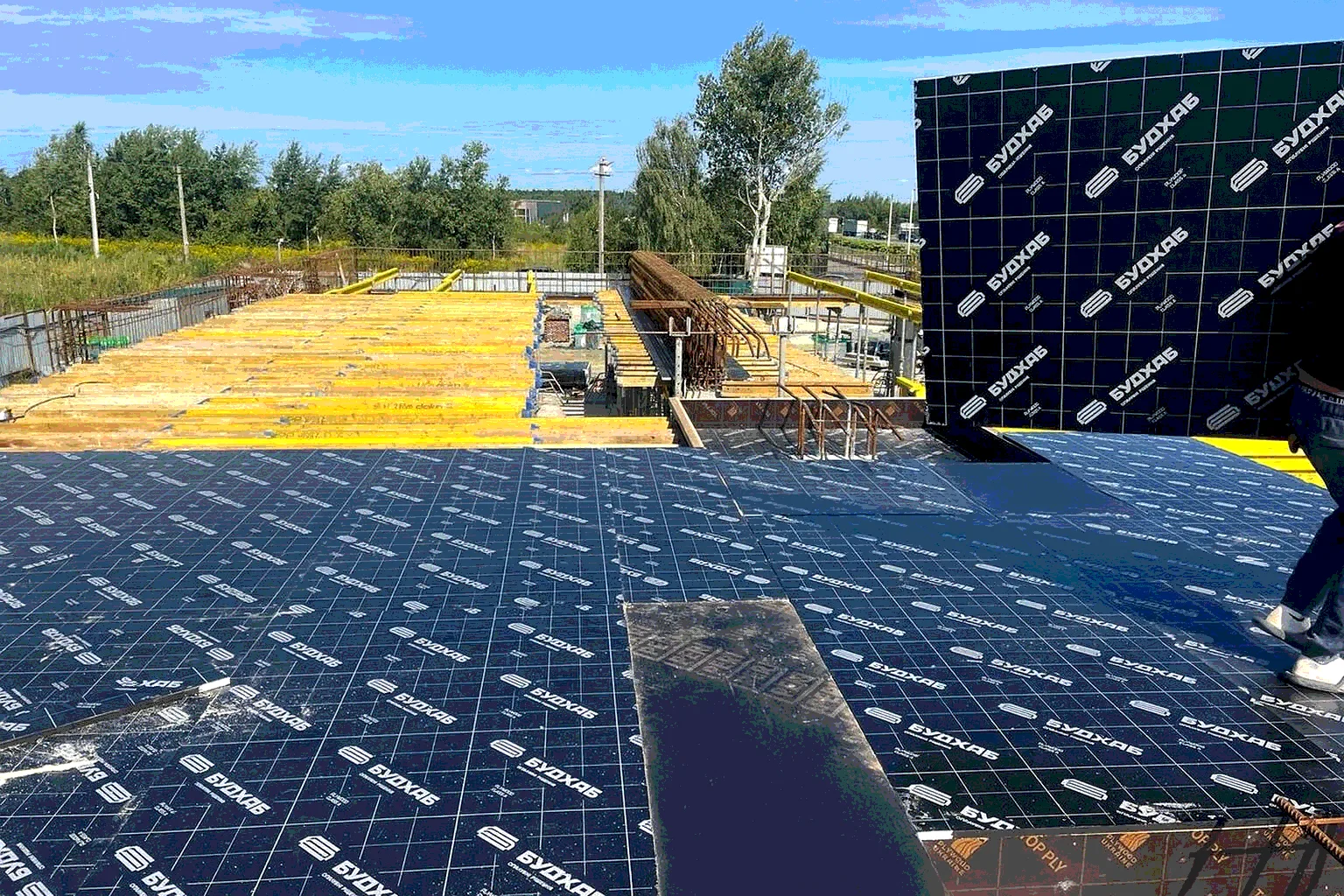
Plywood for flooring:
- Latvian birch — up to 35 cycles
- Ukrainian mixed wood (birch + alder) — up to 25 cycles
- Chinese poplar: up to 15 cycles (double-pressed), 10–12 cycles (single-pressed), 1–2 cycles (recycled)
For more information on the different types of plywood used for slab formwork and their applications, see our previous article, “Film faced plywood for slab formwork: How to Choose the Best Option for Your Project.”
Plywood for panels:
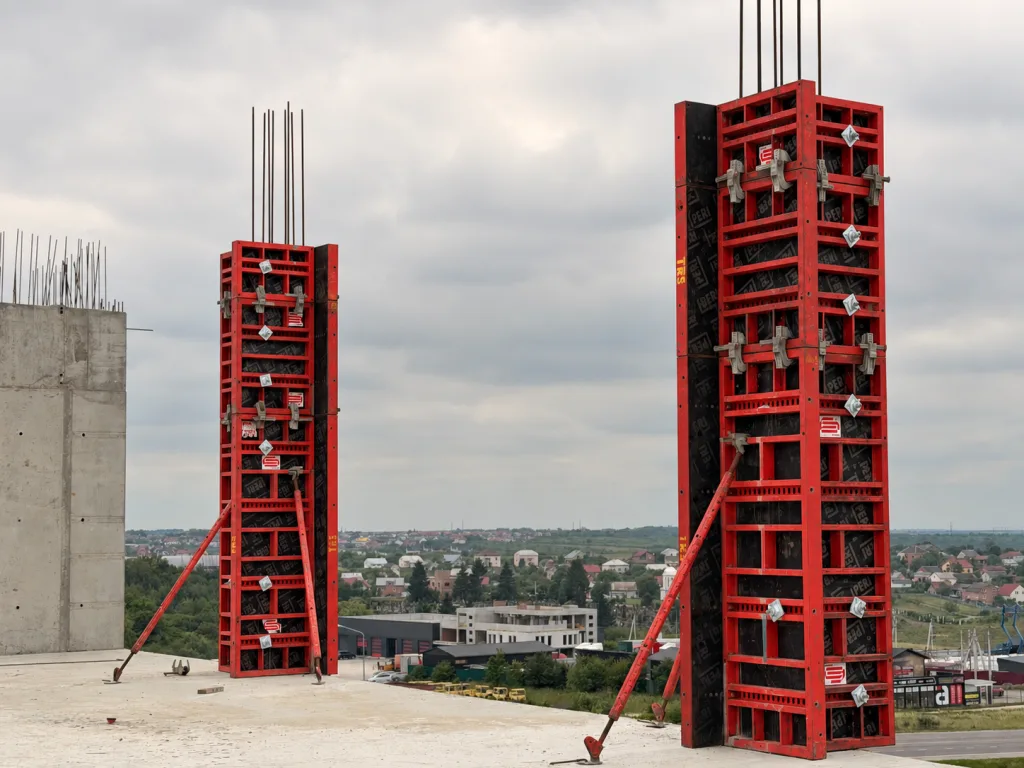
They are made of special birch plywood, which, when used properly, has a lifespan of up to 200 cycles.
What determines the service life of film faced plywood?
During construction, plywood wears out not only from contact with concrete, and its durability depends not only on the manufacturer but also on the conditions under which it is used:
- Humidity and temperature. This is a common factor for both plywood used in floor structures and plywood used in wall panels. Precipitation, condensation, and sudden temperature changes damage the lamination and cause the veneer to delaminate.
Next, we will examine the factors that most significantly affect plywood used for floor decks, and then we will discuss the specifics of working with plywood in wall panels, where the requirements for the material and its use differ somewhat.
Plywood for flooring:
- Use of lubricants. If the sheets are not coated with a release agent, the concrete may stick to the surface. During removal, chips form, allowing moisture to quickly penetrate the inner layers of the veneer. As a result, the plywood loses its shape after just a few cycles and becomes unsuitable for further use.
- Mechanical damage. Impacts during transport or disassembly damage the protective coating on the ends, causing the plywood to quickly absorb moisture, which shortens its lifespan.
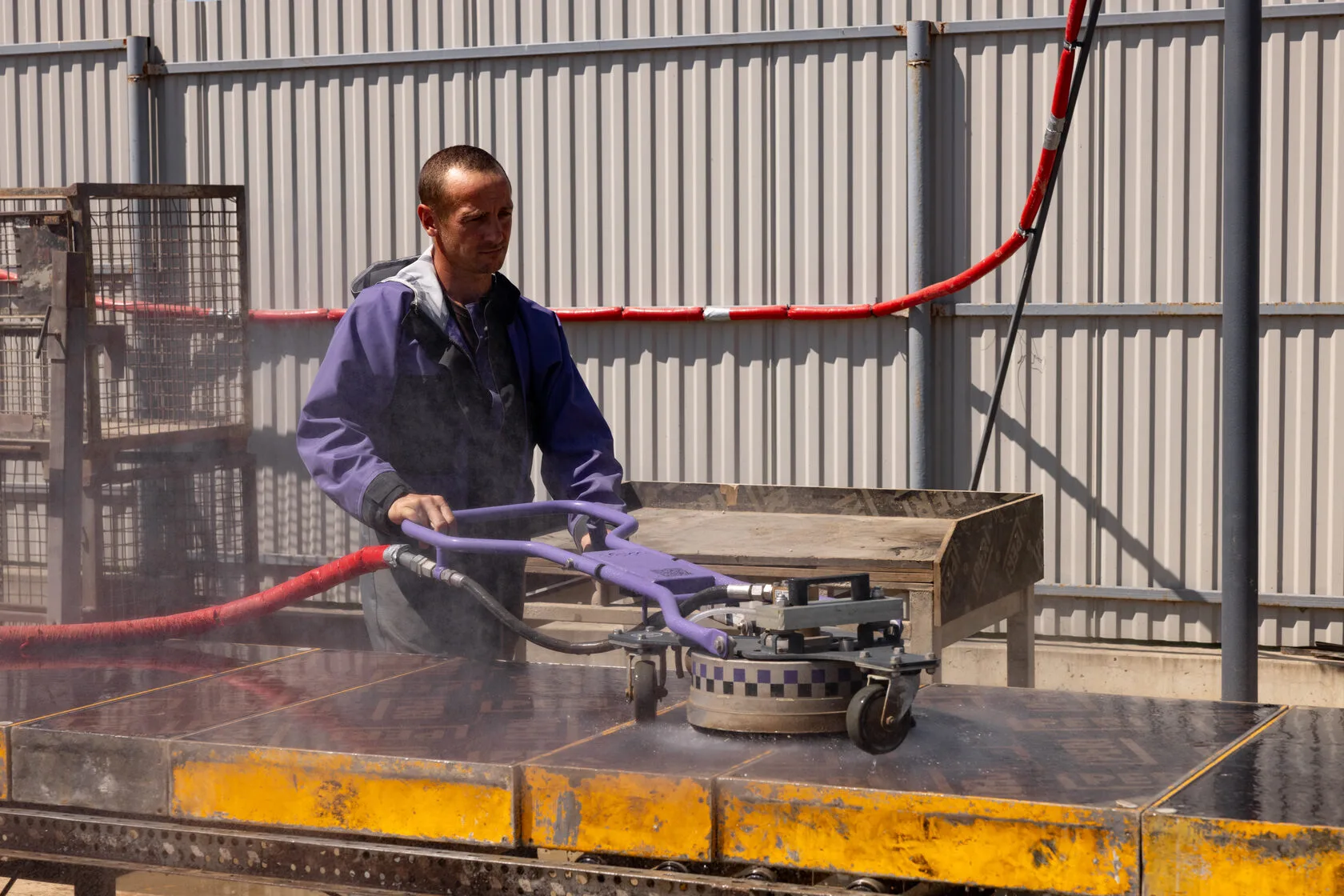
- Cleaning after removal. If concrete residue is not removed immediately after formwork removal, it hardens and damages the laminate during subsequent use. This shortens the service life much more quickly than contact with concrete during pouring. Regular cleaning extends the service life by at least half.
Plywood for panels:
- The quality of oils and release agents. In panels, high-quality birch plywood with thicker lamination is inherently more durable, but it won’t last long without oil either. During disassembly without lubricant, micro-cracks form, which accelerate moisture penetration and subsequent delamination of the veneer.
- Mechanical damage. Most often, the service life is reduced due to impacts during formwork stripping or transportation. In plywood used in formwork panels, the ends are usually coated with paint, which partially protects the material; however, even the slightest chip allows moisture to penetrate unimpeded and trigger the delamination process.
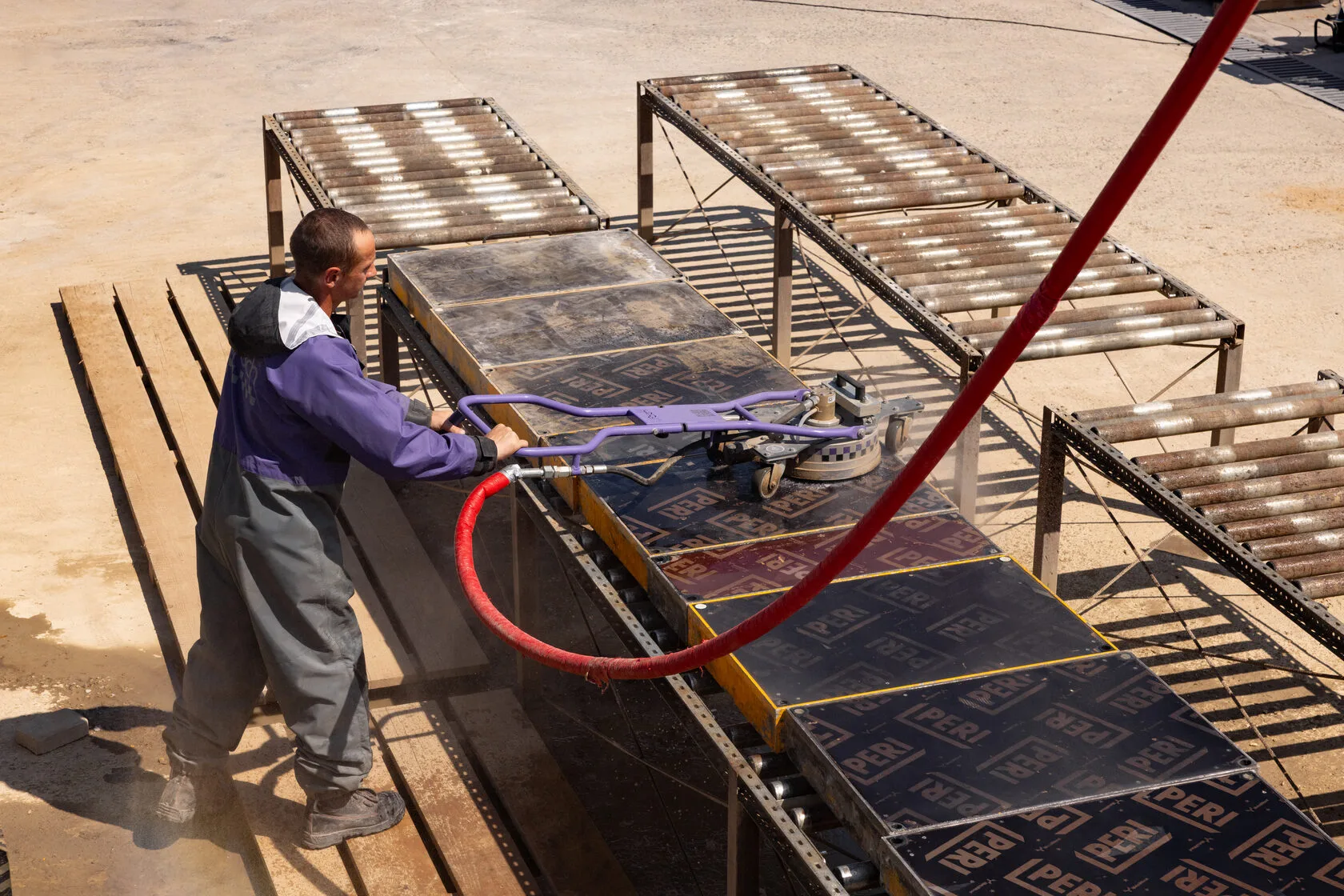
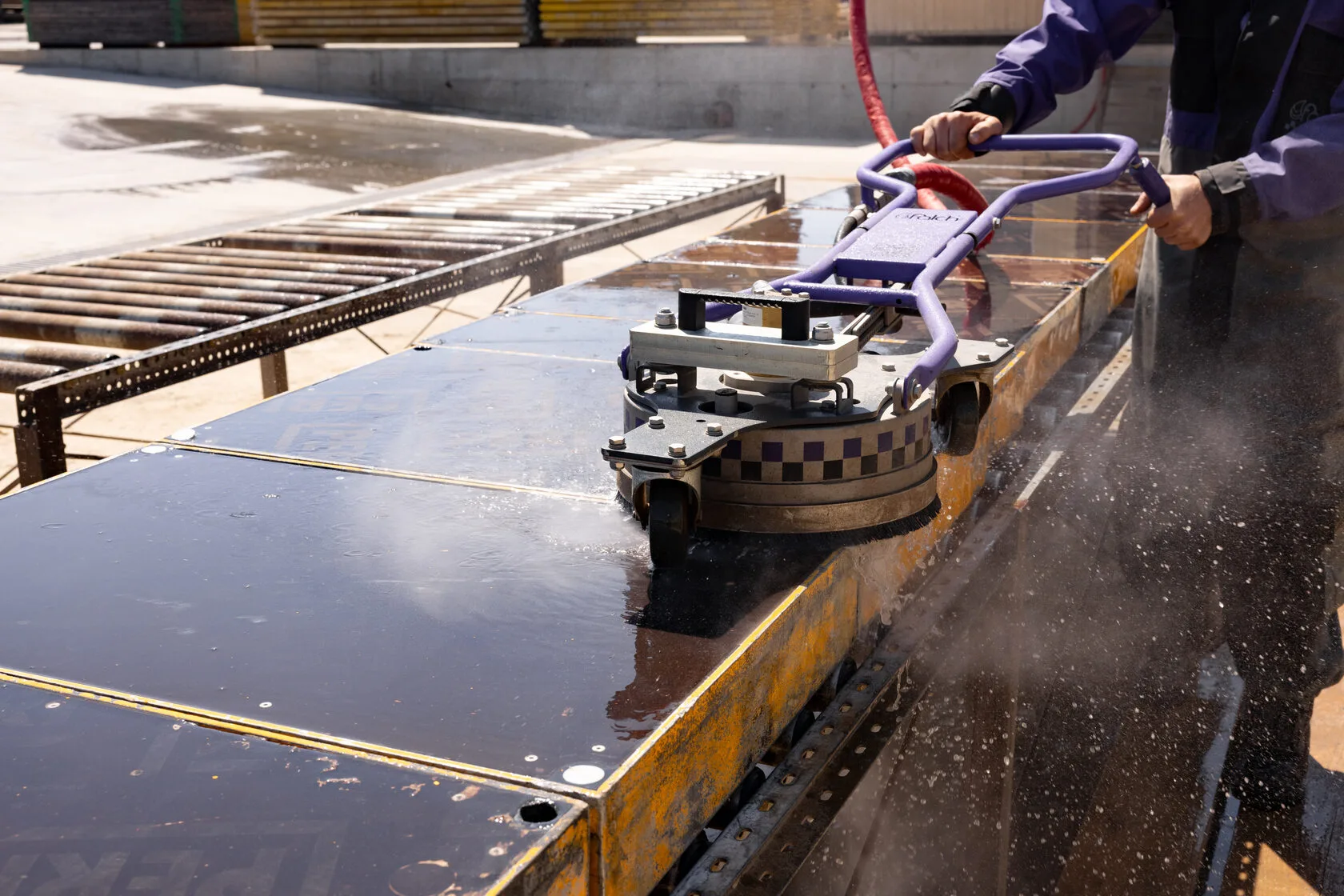
- Cleaning plywood after removal. Plywood lasts longer in formwork, but this is precisely where concrete residue poses the greatest threat: during subsequent pours, it can warp the surface, degrade the quality of the cast, and accelerate veneer delamination. Cleaning after each cycle is a crucial step that directly affects the plywood’s ability to withstand hundreds of pours in the formwork.
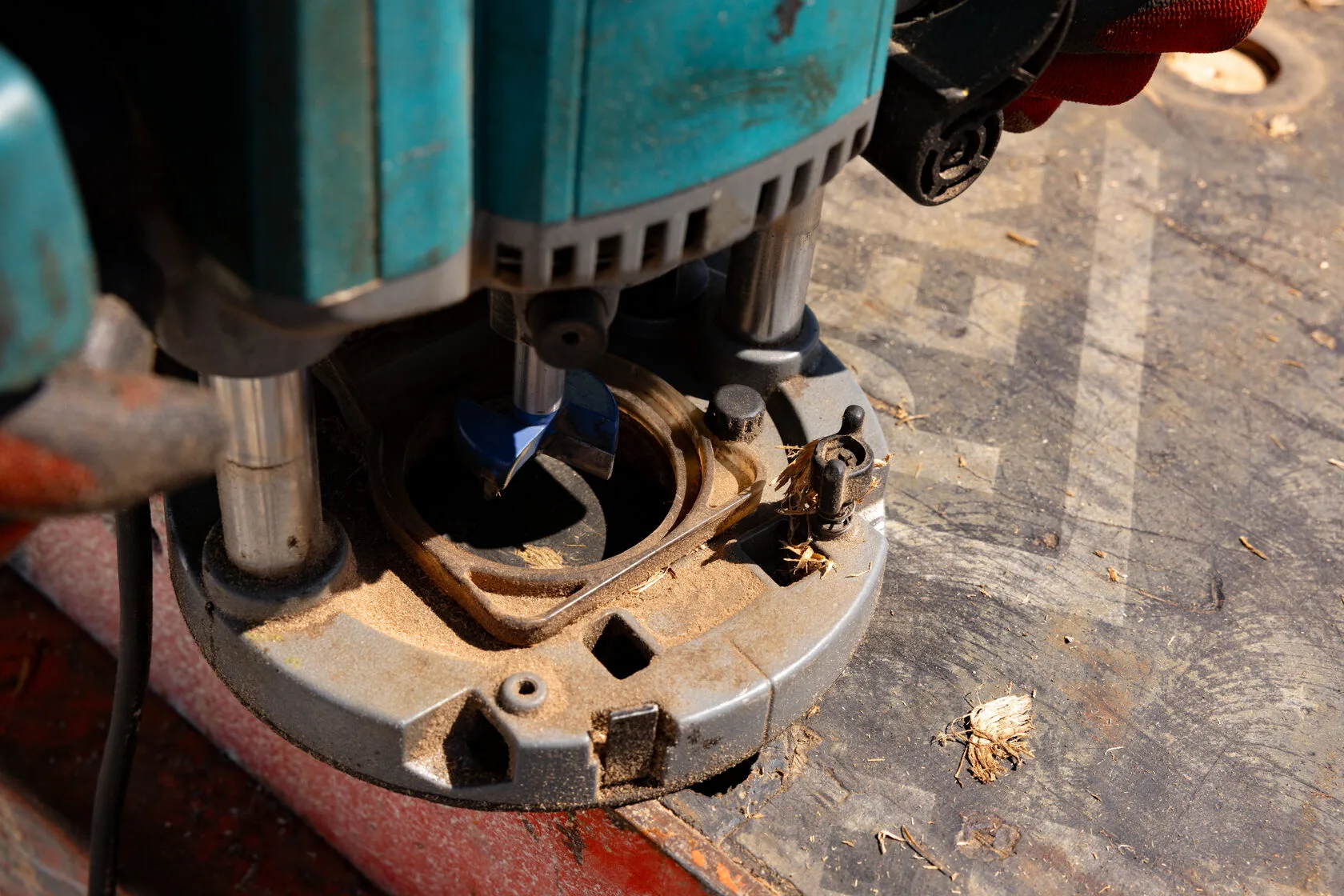
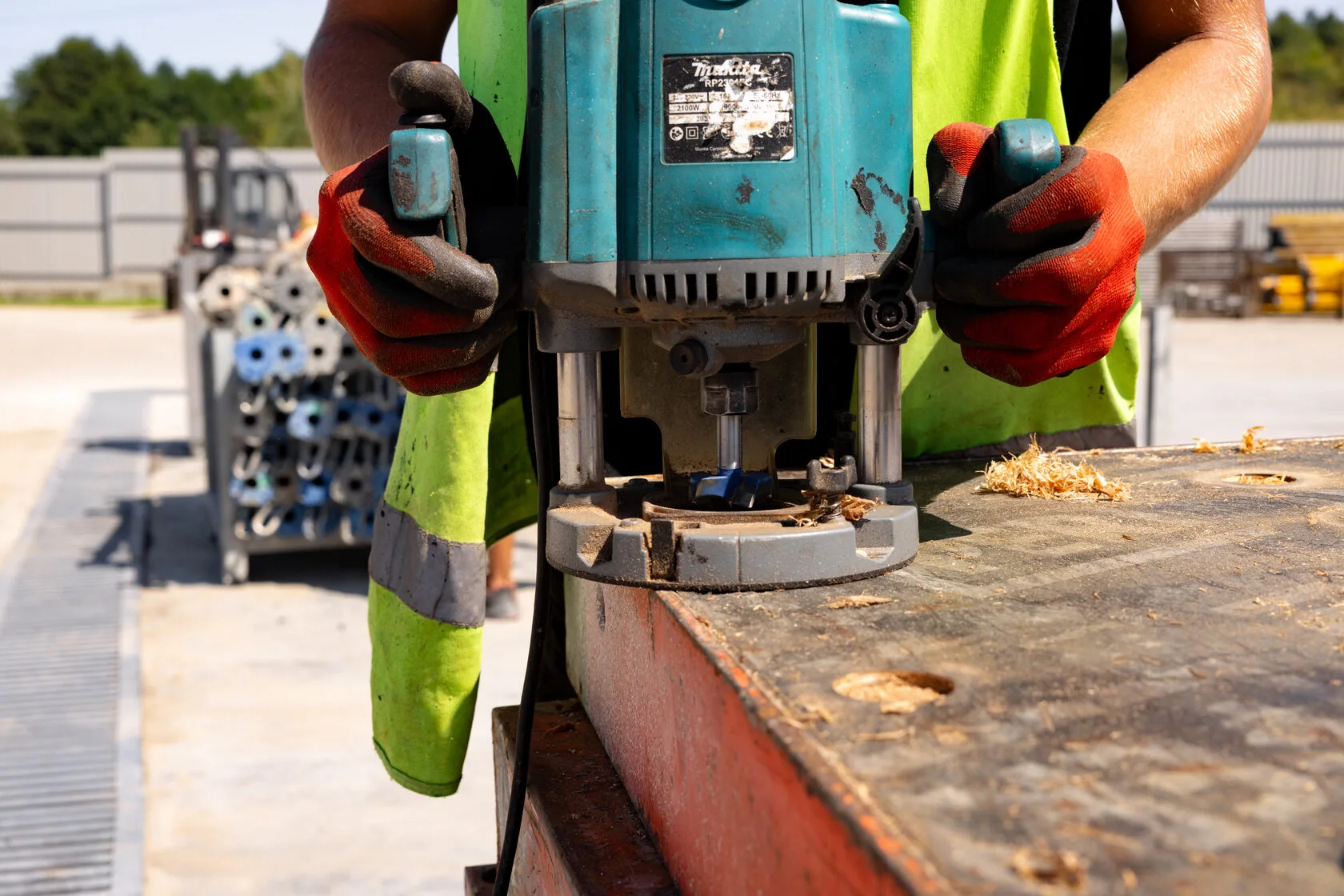
- Local repairs. Promptly patching up chips and holes with plywood patches can protect the surface from moisture and extend its service life.
All these factors determine how quickly the plywood wears out. If these factors are ignored, the material may become unusable after just a few pours. However, when used correctly, it will last for its stated lifespan, and sometimes even longer. We’ll discuss exactly how to achieve this below.
How can you extend the life of film faced plywood?
Budhub’s experience shows that following simple guidelines for storage, use, and transportation extends the service life of plywood. Let’s take a look at both types:
Plywood for flooring:
- Storage
The most common cause of material loss is improper storage. If plywood is left lying directly on the ground, exposed to rain or snow, it quickly absorbs moisture, delaminates, and loses its shape. Sheets must always be placed on supports (wooden blocks) in a dry, well-ventilated room and kept under cover.
Observations at construction sites show that plywood that has been left out in the open for two winters is no longer capable of having a plywood lifespan that matches the manufacturer’s claims.
- Transportation
According to Budhub statistics, some of the damage to formwork plywood occurs not during concrete pouring, but during transport: improperly secured bundles, impacts, or falls onto the edge. Therefore, film faced plywood for formwork must be transported in even stacks, secured, and protected from mechanical damage.
- Formwork stripping
Plywood sustains the most damage during disassembly. Using a crowbar or striking the edges reduces the number of service cycles: the plywood cracks, the laminate chips, and moisture quickly penetrates the inner layers of the veneer.
Proper dismantling involves careful disassembly without using forceful blows, following the correct sequence for removing components. For convenience, thickness should also be considered: for example, 18-mm plywood is lighter, making it easier to carry and dismantle by hand, which reduces the risk of damage.
Plywood for formwork:
- Operation
Before each pour, the plywood should be coated with form oil—this prevents the concrete from sticking and makes removal much easier.
The service life of plywood used in formwork is typically up to three times longer if you regularly clean and lubricate it with a high-quality lubricant. For example, a single sheet of plywood in a formwork panel can be used for up to 200 pouring cycles.
Proper cleaning of plywood is one of the factors that directly affect its service life. We have compiled detailed recommendations and examples in the article “Formwork Cleaning from A to Z: How to Extend Its Service Life.”
- Repairs
Minor damage should not be ignored. If the edge is dented or there is a visible chip on the surface, moisture can easily penetrate the plywood. A patch made of film faced plywood will cover the defect and allow the sheet to remain in service for several more cycles. At Budhub, thicker plywood (such as Latvian plywood with a 220 g/m² film) is used to repair panels, as it lasts longer.
- Transportation
Although the plywood in the panels is partially protected by a metal frame, mechanical damage during transport also shortens the plywood lifespan. It is important to secure and stack the panels properly to avoid impacts and warping, which can damage the plywood.
- Formwork stripping
Failure to follow proper dismantling procedures is one of the most common causes of premature plywood failure. Using a crowbar, striking the edges, or rushing during disassembly can lead to chips and cracks, causing the material to quickly lose its properties. Careful disassembly without forceful impacts allows the plywood to remain serviceable for much longer.
If basic guidelines for storage, use, and dismantling are followed, plywood can last for the service life specified by the manufacturer—and sometimes even exceed it.
At Budhub, we select plywood tailored to each specific project, taking into account the budget, surface quality requirements, and construction timeline. As a result, the material performs to its full potential during its lifespan.
Now you know that the plywood lifespan is influenced by specific factors: storage conditions, proper use and transportation, cleaning after each cycle, and careful removal. Compliance with these requirements will extend the service life of the plywood at the site, prevent premature damage, reduce material costs, and ensure consistent quality of the concrete surface.
If you have any further questions, please call us at:
+38 098 800 22 88